Growth
/
Virtual vs Physical Cards: Which One Fits Your Business Model?
Choosing between virtual and physical cards isn’t an either-or decision for most businesses. Each format solves a different problem, and the right mix depends on how your team or your customers actually spend.
Here’s a practical look at where each type works best and how to combine them.
Where Virtual Cards Shine
Virtual cards can be created in seconds and used immediately for online purchases. They are ideal for software subscriptions, advertising platforms, travel bookings, and one-off vendor payments where no plastic is needed.
Because each virtual card can have its own limit, merchant lock, and expiry date, they are also safer. If a vendor is breached, you freeze one card instead of reissuing cards for an entire team.
When Physical Cards Still Matter
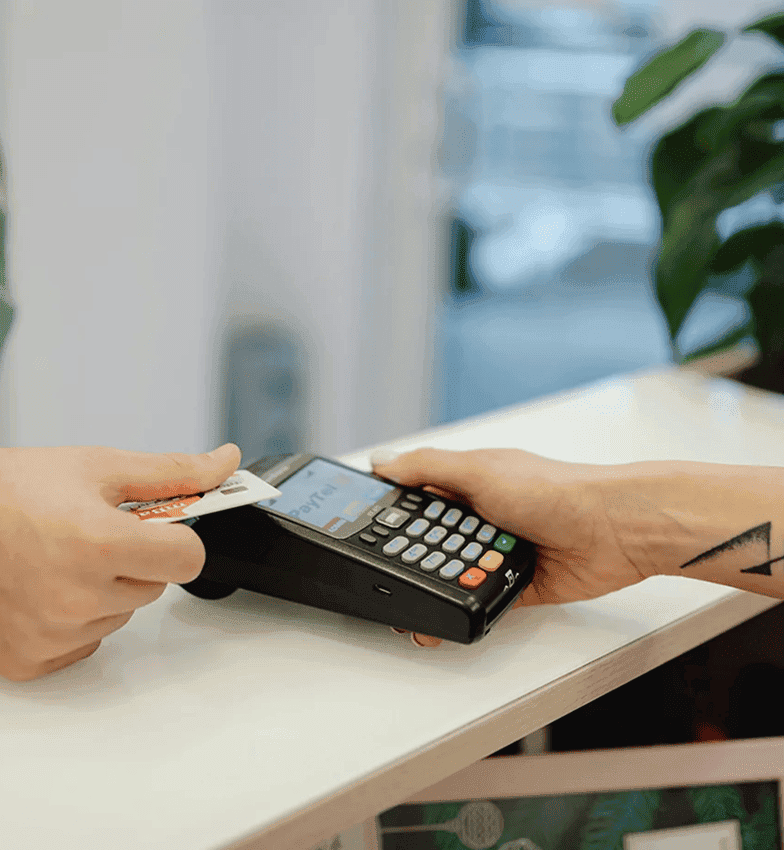
Physical cards remain essential for in-person spending: fuel, client dinners, field operations, and travel expenses at merchants that don’t accept mobile wallets. For consumer programs, a well-designed physical card also carries brand weight that a digital card can’t fully replace.
Modern physical cards support the same real-time controls as virtual ones, so choosing plastic doesn’t mean giving up visibility.
How to Decide
Start with the spending patterns you already have. A few questions help clarify the right mix:
Is most spend online, in person, or split between the two?
Do employees or customers need a card on day one, or can they wait for delivery?
How often do you pay new or one-time vendors?
Do you need cards in multiple countries or currencies?
If most answers point online, start virtual-first. If your team travels or works in the field, plan for physical cards from the beginning and keep virtual cards for subscriptions and vendors.
Most teams don’t pick one format. They issue virtual cards by default and add physical cards only where people actually need them.
Using Both with Brivex
Brivex lets you issue virtual and physical cards from the same platform, under the same budgets and rules. A new hire can get a virtual card instantly, add it to a mobile wallet, and receive a physical card a few days later that shares the same limits.
Every transaction, whichever card it comes from, flows into one dashboard, so finance teams keep a single view of spend as the business grows.

Sofia R.
Head of Product
Related Posts

Design
/
High-Growth Teams are Choosing Brivex for Cards
Discover how Brivex is powering smarter, faster financial operations for scaling teams, from instant card issuance to real-time spend visibility.


Spend
/
Card Issuing Platforms Transform Modern Payments
Card issuing platforms enable businesses to launch customized card programs quickly, with spending controls, compliance, and real-time data built in.

Banking
/
5 Key Benefits of Launching Your Own Card Program
Launching your own card program helps increase customer loyalty, create new revenue streams, and give you full control over the payment experience.